How to Choose an MEP Contractor in Dubai & Sharjah
The MEP package mechanical, electrical and plumbing is one of the largest and most technical parts of any building. It decides whether your project passes authority inspections, opens on schedule, and runs efficiently for decades afterwards. Choosing the wrong MEP contractor in Dubai or Sharjah is expensive to discover and even more expensive to fix, because the problems usually surface late, during testing, commissioning or handover. This guide gives you nine questions that separate a capable MEP contractor from a risky one.
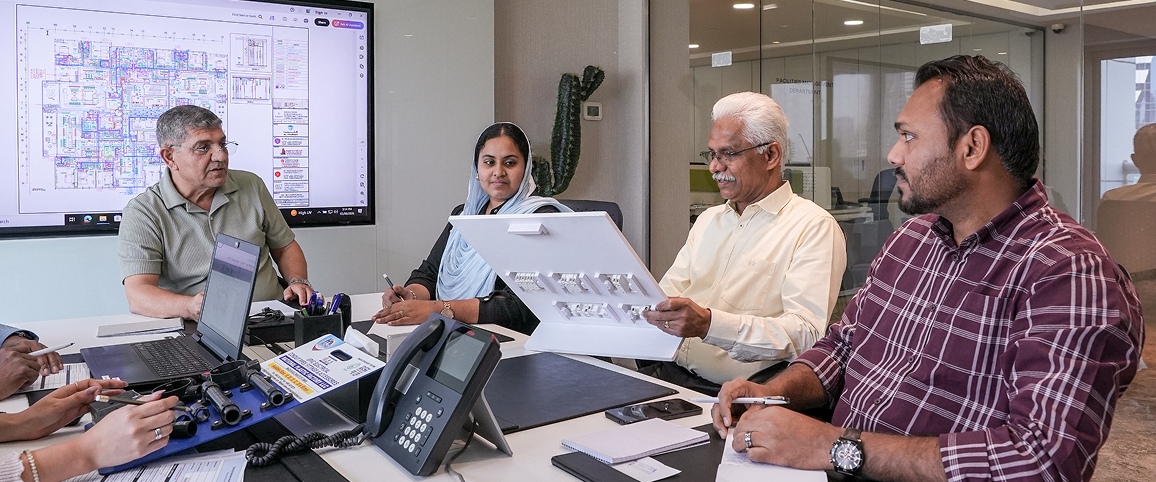
Why the MEP decision carries more risk than most trades
Unlike finishes you can see and correct, MEP systems are hidden in walls, ceilings and risers, and they are interdependent. A drainage error, an undersized cable or a fire-alarm gap can hold up an occupancy certificate for weeks. The contractor you pick is effectively responsible for your building's comfort, safety, running costs and compliance so the selection deserves real scrutiny.
1. Are they licensed and approved by the right authorities?
In Dubai, your MEP contractor should be enrolled with DEWA for electrical and water works, and able to secure approvals from Dubai Municipality and Dubai Civil Defence for firefighting and life-safety systems. In Sharjah, the equivalents are SEWA (Sharjah Electricity, Water and Gas Authority), Sharjah Municipality and Sharjah Civil Defence. If your site is in a free zone such as JAFZA or a Trakhees-controlled area, those authorities have their own approval routes. Ask directly which registrations they hold in the emirate your project sits in.
2. Do they have real experience in your building type?
A hotel, a residential tower, a warehouse and a factory place completely different demands on MEP. Kitchen ventilation and 24/7 guest cooling matter for a hotel; high-bay lighting and heavy power matter for a warehouse. Ask for reference projects of the same type and scale as yours, and confirm the contractor delivered the MEP scope themselves rather than watching from the sidelines.
3. Can they deliver end-to-end design, supply, install and commissioning?
A contractor who can take your project from design coordination through installation, testing and commissioning removes the interface gaps where responsibility gets lost. Ask whether they handle shop drawings, procurement of long-lead equipment, installation and final commissioning under one roof.
4. How well do they coordinate with other trades?
Most MEP problems on site are coordination failures a duct and a beam wanting the same space. Ask how they coordinate services, whether they use BIM or clash-detection modelling, and how they resolve conflicts with the main contractor and other trades before they reach the ceiling void.
5. What is their track record on programme and handover?
On-time handover is the metric that matters to a developer. Ask how their recent projects performed against programme, how they manage authority inspections, and how they handle snagging so that testing and commissioning don't become the bottleneck at the end.
6. Do they self-deliver the core trades, or subcontract everything?
A contractor with in-house engineers, technicians and labour controls quality and speed directly. Heavy subcontracting adds layers of risk and coordination. Ask what proportion of the work is delivered by their own teams.
7. What support do they offer after handover?
MEP systems need maintenance from day one. A contractor who offers a preventive maintenance programme or an annual contract keeps your systems efficient and your warranty intact. Ask what after-handover support they provide.
8. Are they financially stable and properly resourced?
MEP packages carry significant procurement value. A contractor who is under-resourced or financially stretched can stall your project mid-way. Ask about their team size, their track record over time, and the resources they can commit to your job.
9. Can they prove approvals secured on past projects?
Talk is cheap; approved drawings and authority sign-offs are proof. Ask to see examples of DEWA, SEWA, Municipality or Civil Defence approvals they have secured on comparable projects.
The Integration Advantage
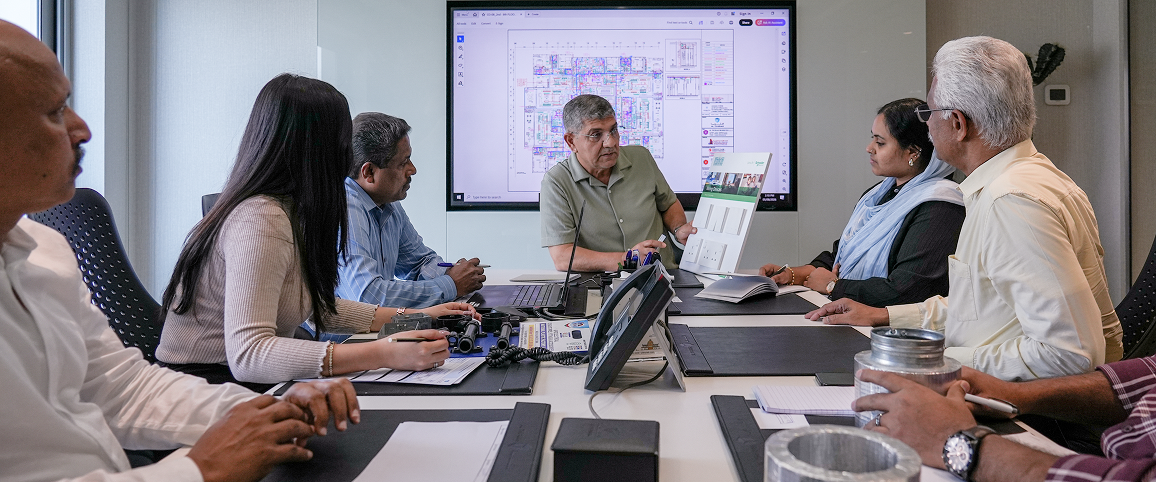
Sterling Electro-Mechanical works as part of the Al Thuriah group, alongside in-house construction, interior design and facilities management teams. That means fewer interface gaps between trades and a project that moves smoothly from design to delivery. With more than 46 years of service, 400-plus completed MEP projects and over 300 engineers and staff working across Dubai and Sharjah, the track record is verifiable not a claim on a brochure.
